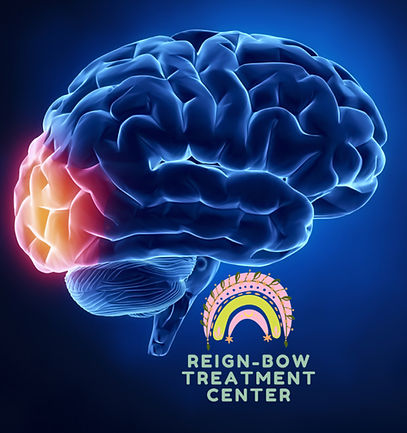
Unlocking the Benefits of qEEG Brain Mapping: A Path to Better Understanding and Support
When it comes to understanding the brain, especially for those facing neurological challenges, every insight counts. One tool that has been gaining attention is qEEG brain mapping. This technology offers a window into brain function that can guide personalized care and therapy. I want to share how qEEG brain mapping can unlock new possibilities for improving communication, emotional regulation, and overall quality of life.
What is qEEG Brain Mapping?
qEEG stands for quantitative electroencephalography. It is a non-invasive way to measure electrical activity in the brain. Unlike a standard EEG, which records brain waves, qEEG analyzes these waves in detail and creates a map of brain function. This map highlights areas of the brain that may be overactive, underactive, or out of sync.
The process is simple and painless. Sensors are placed on the scalp to record brain activity while the person is relaxed or performing simple tasks. The data is then processed by computer software to produce colorful images that show brain patterns.
This detailed brain map helps identify specific areas that may be linked to challenges such as anxiety, attention difficulties, or sensory processing issues. It provides a clear picture of how the brain is working, which is invaluable for tailoring therapy.

Exploring the qEEG Mapping Benefits
The benefits of qEEG brain mapping are many, especially for those seeking personalized brain-based therapy. Here are some key advantages:
Personalized Treatment Plans: qEEG reveals unique brain patterns. This allows therapists to design interventions that target specific brain areas, rather than using a one-size-fits-all approach.
Objective Data: Instead of relying solely on observations or questionnaires, qEEG provides measurable data. This helps track progress and adjust therapy as needed.
Early Detection: Brain mapping can identify subtle differences in brain function before symptoms become severe. Early intervention can make a big difference.
Improved Communication: By understanding brain activity related to language and social skills, therapy can focus on strengthening these areas.
Emotional Regulation Support: qEEG can highlight brain regions involved in mood and stress responses, guiding strategies to improve emotional control.
These benefits make qEEG a powerful tool for anyone looking to support brain health and development. It is especially helpful for those with autism or related neurological challenges.
How qEEG Brain Mapping Supports Therapy
Therapy is most effective when it matches the individual’s brain needs. qEEG brain mapping helps therapists see exactly where to focus their efforts. For example:
If the map shows underactivity in areas related to attention, therapy can include exercises to boost focus.
If emotional regulation centers are out of balance, calming techniques and biofeedback may be introduced.
For communication challenges, therapy can target brain regions responsible for language processing.
This targeted approach often leads to faster and more meaningful improvements. It also empowers families by providing clear explanations and measurable goals.
One of the best parts is that qEEG can be repeated over time. This means progress can be tracked visually, giving hope and motivation to keep working toward better outcomes.
What to Expect During a qEEG Brain Mapping Session
If you are considering qEEG brain mapping, it helps to know what to expect. The session is straightforward and comfortable:
Preparation: The scalp is cleaned to ensure good sensor contact.
Sensor Placement: Small sensors are placed on the head using a cap or adhesive.
Recording: Brain activity is recorded for about 20-30 minutes while the person relaxes or performs simple tasks.
Analysis: The data is processed to create brain maps.
Review: A specialist reviews the results and discusses findings with you.
There is no pain or discomfort, and no special preparation is needed beforehand. The entire process is safe and suitable for children, teens, and adults.

Finding the Right Support with qEEG Brain Mapping
If you are interested in exploring qEEG brain mapping, it is important to work with experienced professionals. They can interpret the data accurately and integrate it into a comprehensive therapy plan.
For those in the Chicagoland area, qeeg brain mapping lombard offers expert services. Their team focuses on personalized, brain-based autism therapy designed to help individuals thrive.
Choosing a provider who understands the unique needs of each person ensures that qEEG brain mapping becomes a valuable part of the journey toward better brain health.
Moving Forward with Confidence and Hope
Unlocking the benefits of qEEG brain mapping means gaining a clearer understanding of the brain’s unique patterns. This knowledge opens doors to personalized therapy that can improve communication, emotional regulation, and overall quality of life.
The journey may have challenges, but with the right tools and support, progress is possible. qEEG brain mapping is more than just a test - it is a step toward hope, growth, and a brighter future.
If you are ready to explore this innovative approach, consider reaching out to a trusted provider. Together, you can create a plan that meets your needs and helps unlock the full potential of the brain.



Comments